The recent Champions League clash between Paris Saint-Germain and Manchester City was not just a battle of two footballing giants; it was also a fascinating tactical duel that saw PSG effectively neutralize one of the world’s most potent strikers, Erling Haaland. While Manchester City ultimately succumbed to a 4-2 defeat, a significant part of PSG’s success was their ability to keep Haaland quiet, limiting his influence on the game. This analysis explores the strategies and tactics employed by PSG to frustrate Haaland, examining how they managed to nullify his threat, and also highlights the few moments when the Norwegian striker was able to make an impact, which ultimately came in the second half after his team were already two goals down. It examines the key defensive structures, midfield tactics, and individual performances that contributed to Haaland’s frustrating night, and how this ultimately impacted the overall outcome of the game.
The Pre-Match Narrative: Haaland’s Goal-Scoring Prowess
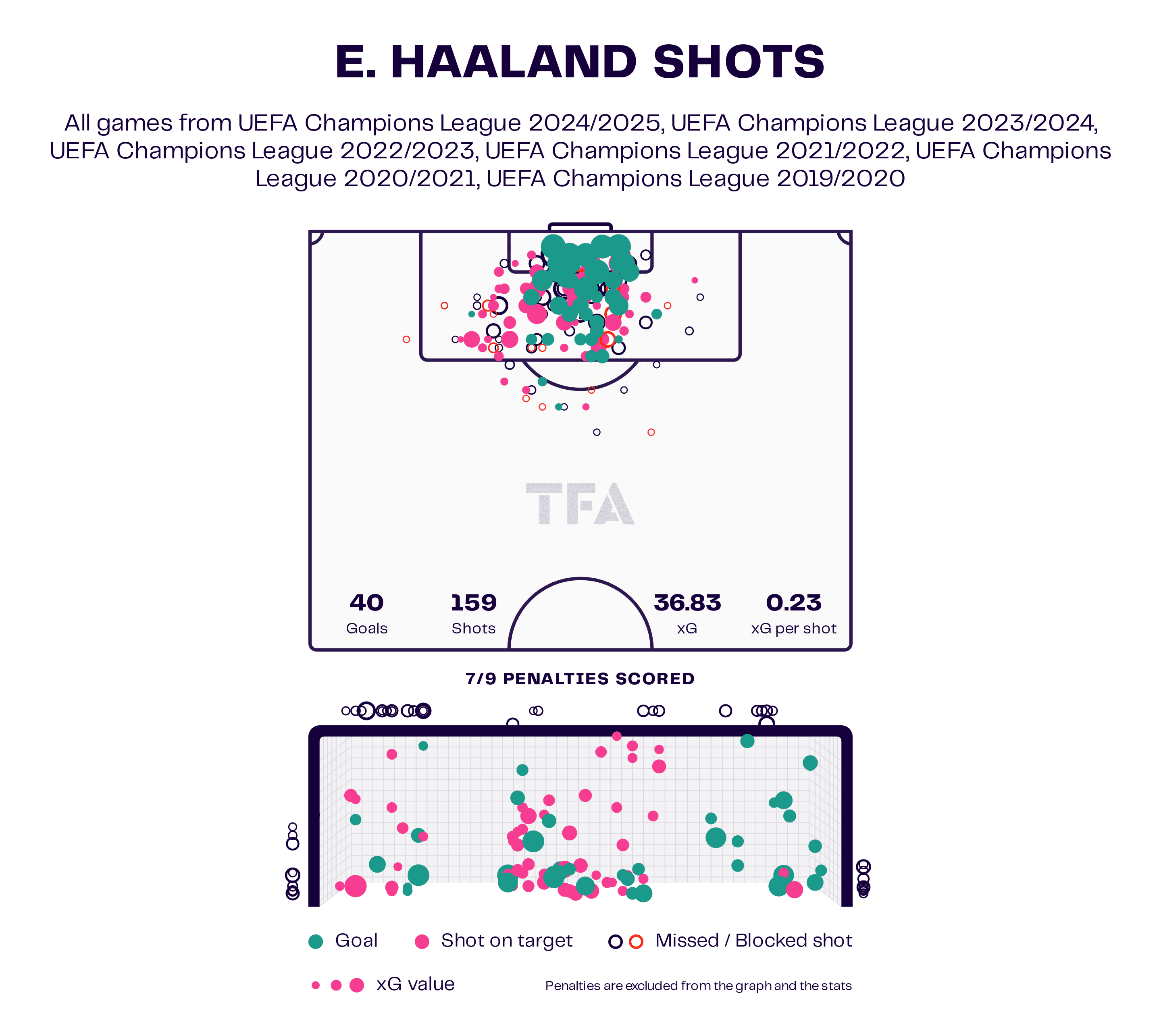
Heading into the match, Erling Haaland was undoubtedly one of the main talking points. With a reputation for scoring goals, he is a striker who strikes fear into the heart of any defence. His goal-scoring record and physical presence meant that PSG knew they would have to be at their very best to keep him quiet. He was a player who could change a game in an instant, and it was important to not allow him the space that he craved. This meant that PSG had to be well organized, and disciplined, to restrict his opportunities, and limit his impact on the game. He came into the game with 46 Champions League goals already to his name.
PSG’s Defensive Structure: A Well-Organized Wall
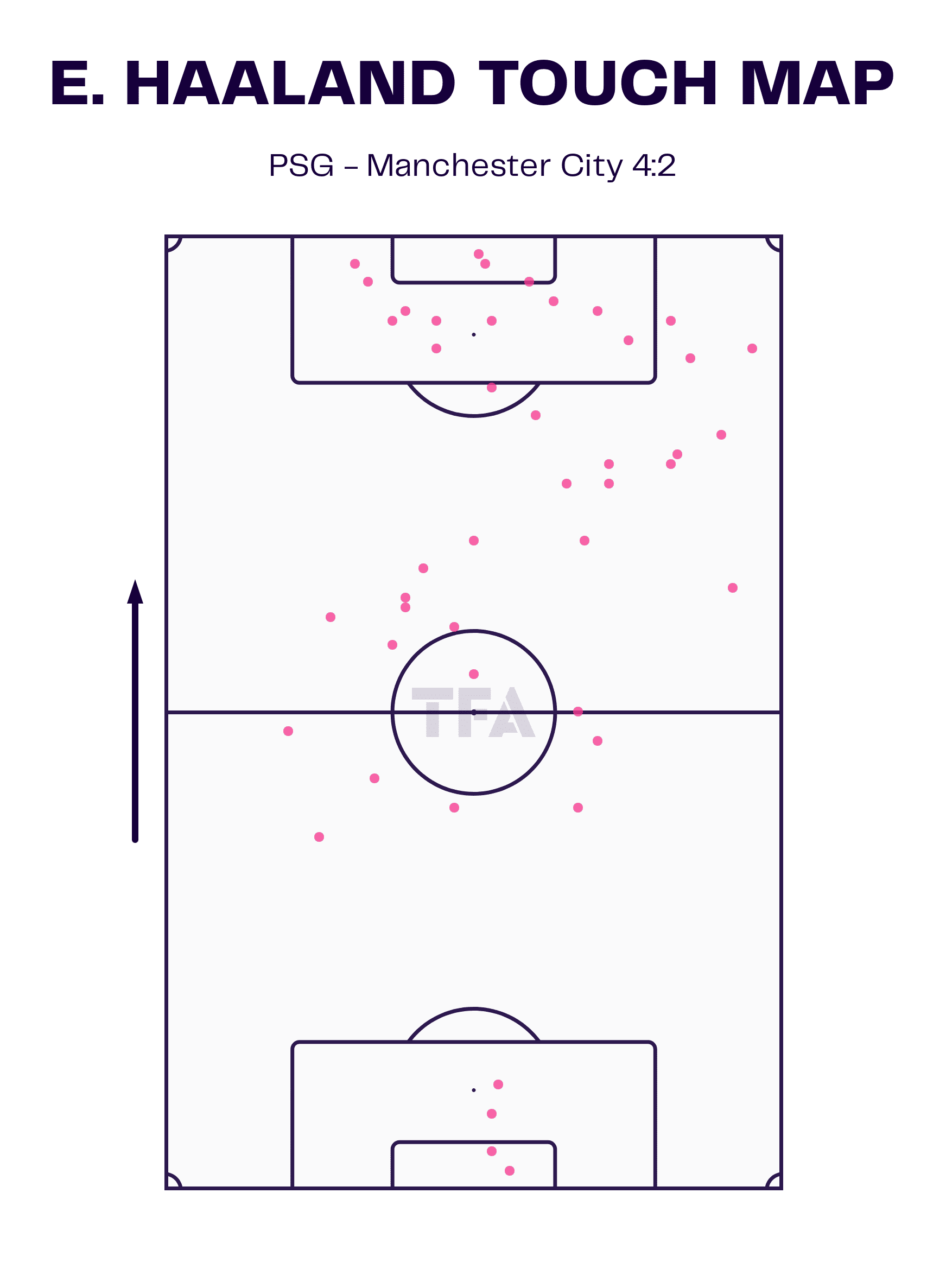
PSG’s defensive approach was key to stifling Haaland. They deployed a well-organized defensive structure, characterized by a deep defensive line, and a disciplined back four, which limited the space that Haaland land could operate in. They maintained a solid shape, making it difficult for Manchester City to play through them. The focus was on limiting the amount of space that Haaland had, and ensuring that he had to play with his back to goal whenever he received the ball. This meant that he was unable to run into space, and this restricted his impact on the game. They were aware of his speed and his ability to make runs in behind, and this meant that their defensive line was always deep to stop the space behind being exploited.
Midfield Screen: Cutting Off Supply Lines
PSG’s midfield played a crucial role in keeping Haaland quiet. They focused on cutting off the supply lines to the striker, ensuring that he was not receiving the ball in dangerous positions. The midfielders worked tirelessly to close down spaces and intercept passes, and they prevented Manchester City from playing the ball into Haaland’s feet. This meant that he was isolated for much of the game, and it limited his ability to make an impact on the match. The midfield worked together to form a shield in front of the defence, which meant that they were well-positioned to cut out any through balls. The midfielders were also effective in tracking the runs of Manchester City’s midfielders, preventing them from getting into space in the area between the midfield and the defence.
Double-Marking: Denying Space and Time
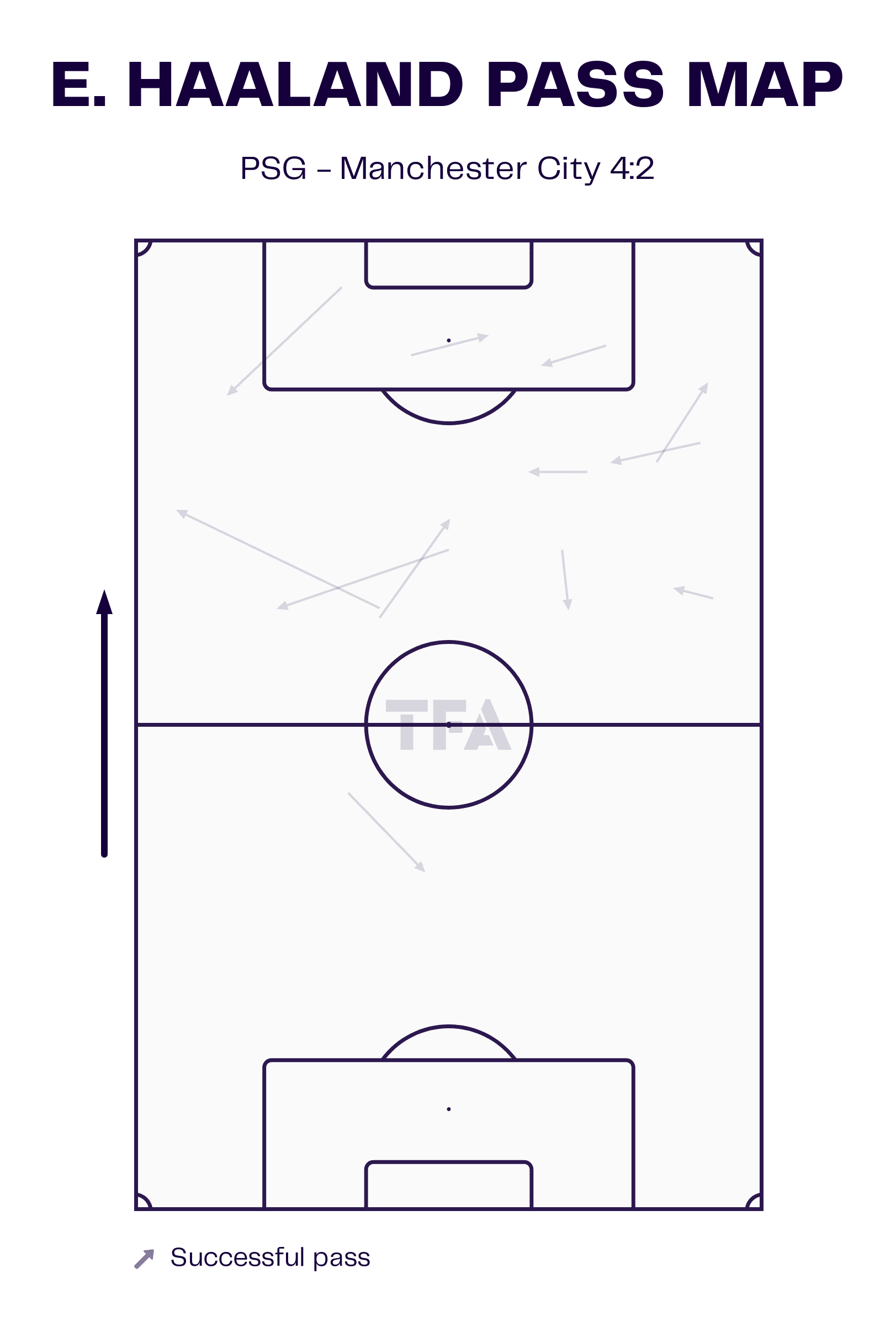
PSG’s defenders often employed a strategy of double-marking Haaland, denying him both space and time on the ball. When he received the ball, there was always another defender close by, which limited his ability to turn and run at the defence. This constant pressure meant that he was often forced to play a pass backwards, which slowed down Manchester City’s attacks. The double-marking was extremely effective, and it reduced the danger that Haaland posed and prevented him from dominating the game.
Physicality: Imposing Their Presence
The PSG defenders used their physical presence to disrupt Haaland, not allowing him to receive the ball easily. They made sure to challenge for every ball, and made it difficult for him to win aerial battles, and hold the ball up. This physicality disrupted his game and further reduced his influence on the match. The defenders were happy to engage with him physically, knowing that this would frustrate the striker, and take him away from the game.
Haaland’s Isolation: Limited Service
One of the key reasons for Haaland’s quiet night was the limited service he received from his teammates. PSG were able to nullify the threat of Manchester City’s midfield, meaning that he rarely received the ball in dangerous positions. The midfield were also able to reduce the number of passes in behind, which meant that he was not able to use his pace to create chances. The lack of opportunities for Harland meant that his frustration grew throughout the match.
The Tactical Shift in the Second Half
While Haaland was largely kept quiet in the first half, he did begin to have a greater impact on the game in the second. After going 2-0 down, PSG started to take more risks, and they pushed higher up the pitch, which meant that Manchester City were able to find more space on the counter-attack. This tactical shift did give Haaland more space, and it meant that he had more chances to get on the ball and run at the PSG defence.
Haaland’s Goal: A Glimpse of His Ability
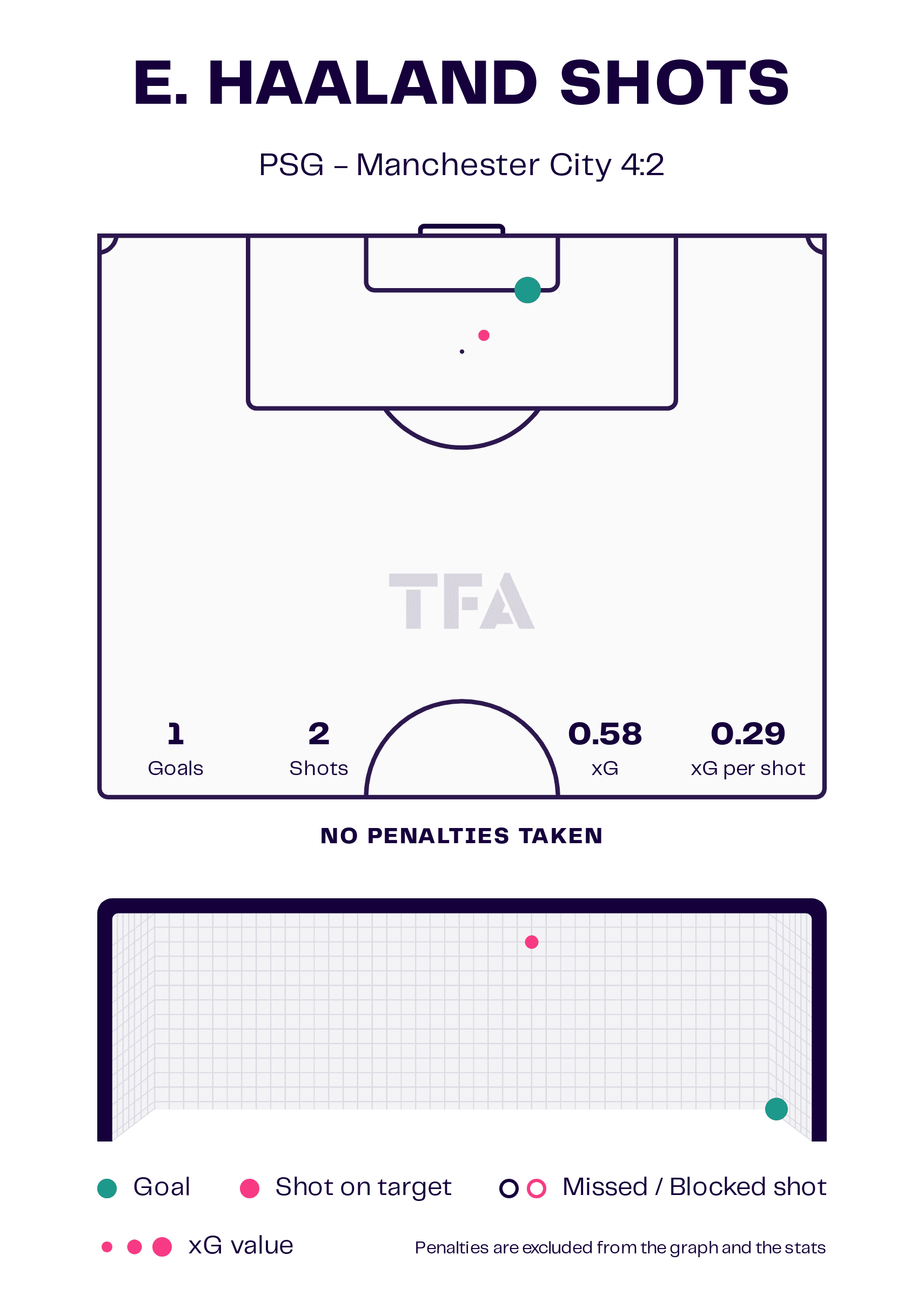
Despite the frustrations, Haaland did manage to get on the scoresheet in the second half. After a cross into the box, the ball fell to him at the far post, and he was able to guide the ball into the net. This goal showed the predatory instinct of Haaland and highlighted that he only needs one chance to make a difference. It showed the importance of not switching off against a player of his quality.
The ‘Pomo Position’: Haaland’s Goal-Scoring Location
Haaland scored his goal from what is known as the ‘pomo position’, and it was a position of maximum opportunity. This highlights the importance of positioning in a team and the fact that a striker needs to find these areas to be able to find the net. It also highlights the importance of a team working together to get the ball to these positions.
Missed Opportunities: Frustration Mounts
Despite scoring one goal, Haaland had other chances to get on the scoresheet. He was unable to capitalize on these chances, which only added to his frustrations. His first touch was not always perfect, and this meant that he lost the ball in good positions. He was also not able to get into the positions that he would have liked, due to the tight marking of the PSG defence.
The Importance of Teamwork
While Haaland may have been frustrated by his inability to impose himself on the game, it also highlights the importance of teamwork. PSG worked together to limit his opportunities, and they were effective in reducing his impact on the game. This shows that a good team can overcome individual talent by working together.
Adaptability: A Lesson for Manchester City
The game also provided a lesson for Manchester City in the importance of adaptability. They were unable to adapt to the tactics that PSG used to neutralize Harland, and this resulted in them not being able to find a way through. This shows that teams need to be able to change their approach when they come up against well-drilled opponents.
Conclusion: The Tactical Triumph of PSG
In conclusion, PSG’s performance against Manchester City was a tactical masterclass in how to neutralize a world-class striker. They were able to limit his impact on the game, by employing a well-organized defence, a tight midfield, and a physical approach. While Haaland did manage to get on the scoresheet, he was largely kept quiet, and his frustrations were evident. The game showed that even the best players can be kept quiet, if a team works together, and adopts the right tactical approach. It also highlights that a team needs to be adaptable, and be able to change their approach, if they are going to be successful at the highest level. The match serves as a valuable lesson in football, highlighting the importance of tactical awareness, discipline, and adaptability in high-stakes encounters. The match showed that a team is more than just an individual star, and it was a team performance that frustrated the talents of Erling Haaland.
Visuals via TFA data viz engine