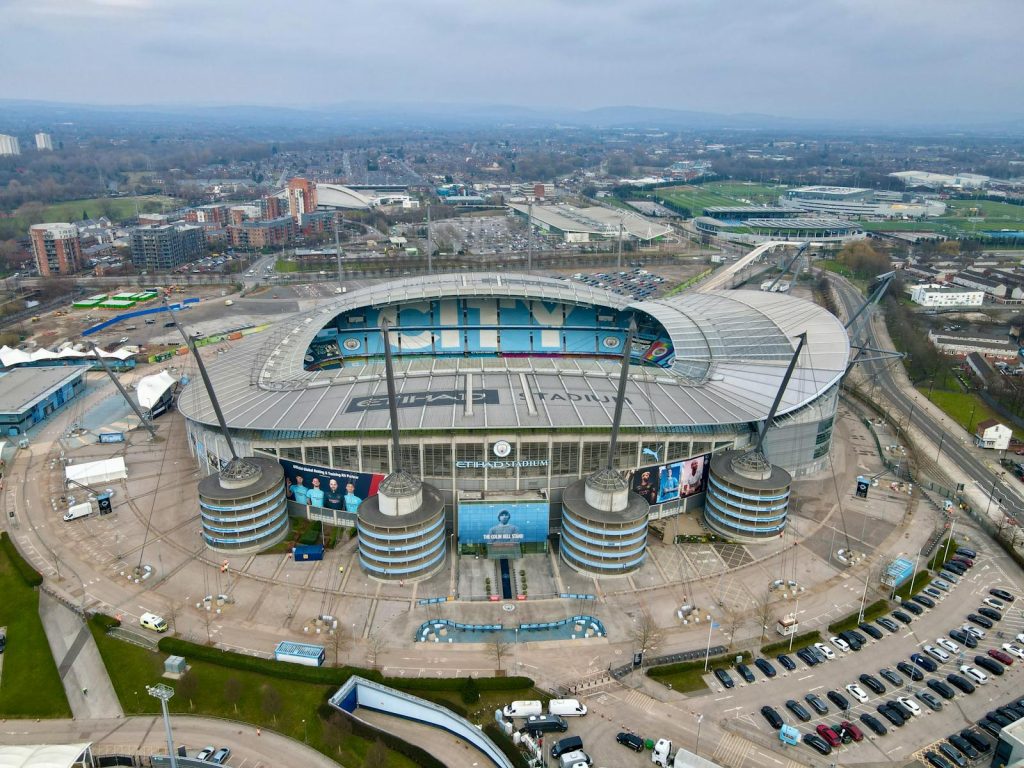
In a pivotal clash at the Etihad, Liverpool secured a 2-0 victory over Manchester City, a result that sent shockwaves through the Premier League title race. Beyond the scoreline, the match was a tactical masterclass from Arne Slot’s side, who meticulously exploited vulnerabilities in Pep Guardiola’s Manchester City. This analysis delves into the specific strategies Liverpool employed, the defensive errors City succumbed to, and the key moments that defined the game.
City’s Defensive Setup: Atypical Instability
Manchester City, renowned for their defensive solidity, displayed an uncharacteristic fragility throughout the match. Several factors contributed to this instability:
- Personnel Changes: City was forced to make four changes from their Champions League game against Real Madrid. Injuries to key players and the unavailability of others due to squad rotation disrupted the usual defensive structure. Manuel Akanji’s long-term absence further compounded the issue.
- New Signings: The introduction of new signings like Omar Marmoush and Khusanov, while promising for the future, lacked the established cohesion of City’s regular starters.
- Zonal Marking Issues: City’s defensive approach, a blend of man-marking and zonal coverage, appeared disorganized, particularly during set pieces.
Liverpool’s Tactical Blueprint: Precision and Exploitation
Liverpool’s game plan was predicated on pinpointing and exploiting these defensive shortcomings. Key elements of their strategy included:
- Targeting City’s Left Flank: Liverpool consistently targeted City’s left flank, particularly exploiting the space between Nathan Aké and new signing Omar Marmoush.
- Clever Set-Piece Routines: Liverpool’s opening goal stemmed from a well-designed corner. Instead of the conventional high ball into the box, Liverpool played a low, driven corner that caught City’s defence off guard.
- Quick Transitions: Liverpool capitalized on turnovers in possession to launch rapid counter-attacks.
- Salah’s Freedom: Mohamed Salah was given license to roam across the forward line, exploiting gaps in City’s defence and creating scoring opportunities.
Key Moments of Exploitation
- The Opening Goal: Liverpool’s first goal exemplified their tactical ingenuity. The low corner taken by Szoboszlai was laid off to Salah, whose shot deflected into the net. The element of surprise and the inability of City’s defenders to react quickly enough were crucial. The corner was described as a clever one that was well-worked. Liverpool took City cold with this play.
- Szoboszlai’s Goal: Liverpool’s second goal showcased their ability to transition quickly. Salah received the ball on the right wing and delivered a precise pass to Szoboszlai, who finished clinically. The speed of the attack and City’s failure to track the runners left them exposed.
- Missed Third Goal: Liverpool nearly scored a third goal through Curtis Jones, although it was disallowed for offside. The fact that Liverpool were able to create such a chance highlighted City’s defensive disarray.
Individual Errors and Defensive Lapses
Several individual errors further contributed to City’s defensive woes:
- Doku’s Struggles: Jérémy Doku, while offering attacking impetus, struggled defensively. He was often caught out of position, leaving space for Liverpool to exploit.
- Aké’s Vulnerability: Nathan Aké, typically a reliable defender, looked uncomfortable against Liverpool’s dynamic attack. Salah managed to get the better of him on multiple occasions.
- Midfield Disconnect: City’s midfield struggled to provide adequate cover for the defence. Liverpool were able to find space between the lines, making it difficult for City to contain their attacks.
Liverpool’s Defensive Solidity
While Liverpool’s attack garnered much of the attention, their defensive performance was equally crucial. The Reds demonstrated:
- Van Dijk’s Leadership: Virgil van Dijk marshalled the defence expertly, making crucial interceptions and tackles.
- Alisson’s Saves: Alisson Becker produced several important saves, denying City’s attackers and maintaining Liverpool’s clean sheet.
- Robertson’s Cunning: Andrew Robertson showed his experience and guile, disrupting City’s attacks and winning important free kicks.
Consequences and Implications
Liverpool’s victory had significant implications:
- Title Race Advantage: The win propelled Liverpool to the top of the Premier League table, giving them a commanding lead in the title race.
- Psychological Blow to City: The defeat dealt a psychological blow to Manchester City, denting their confidence and raising questions about their ability to retain the title.
- Slot’s Tactical Triumph: The match was a personal triumph for Arne Slot, who outmanoeuvred Pep Guardiola and demonstrated his tactical prowess.
Conclusion
Liverpool’s 2-0 victory over Manchester City was a testament to their tactical acumen and clinical execution. By identifying and exploiting vulnerabilities in City’s defence, Liverpool secured a crucial win that significantly boosted their title aspirations. The game served as a stark reminder of the importance of defensive solidity and tactical flexibility in the high-stakes world of Premier League football.