The Champions League clash between Paris Saint-Germain and Manchester City was not just a game of two halves; it was a narrative of two contrasting stories. The match, which saw PSG triumph 4-2 after initially trailing by two goals, showcased the dramatic shifts in momentum and tactical approaches that can define elite football encounters. This analysis delves into the two distinct halves of the match, exploring how Manchester City’s dominance in the first half evaporated in the face of a resurgent PSG in the second, highlighting the key moments, tactical changes, and individual performances that shaped this captivating contest. It examines the factors that led to the drastic shift in momentum, offering insights into the importance of adaptability, resilience, and psychological fortitude in high-stakes matches.
The First Half: Manchester City’s Calculated Control
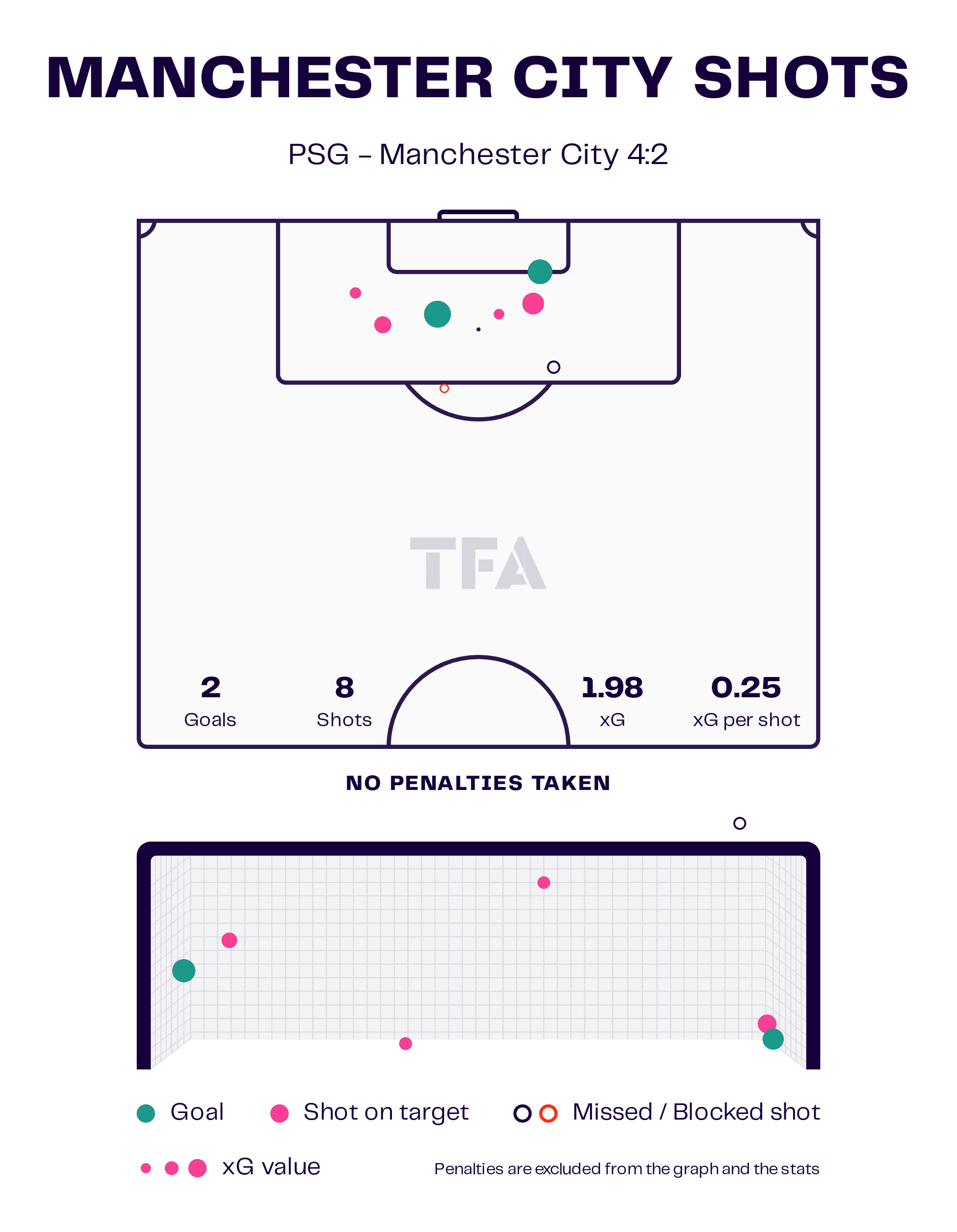
The first half was a masterclass in control and execution by Manchester City. They dominated possession, dictated the tempo, and displayed clinical finishing. Manchester City’s early dominance in the second half was evident, with goals from Jack Grealish and a goal resulting from his interplay with Erling Haaland. The team’s tactical approach was well-drilled, with players executing their roles effectively. They had a strong defensive structure, limiting PSG’s opportunities and frustrating their attacking efforts. The focus was on methodical build-up play, coupled with incisive moves in the final third. It was a demonstration of tactical astuteness and a clear display of Manchester City’s intent. The first half painted a picture of a team in complete control, seemingly poised for a comfortable victory. City had created chances and also limited the opposition’s opportunities, and this suggested they were well on top.
PSG’s Struggles in the First Half
In contrast, PSG struggled to find their rhythm in the first half. They were outmanoeuvred tactically and appeared to lack a clear game plan. They failed to create clear chances, and they were largely restricted to long-range shots, which were dealt with by the Manchester City defence. PSG’s midfield struggled to compete with Manchester City’s, which further added to their woes. They looked disjointed, and they were unable to gain a foothold in the game. They were unable to find a way through Manchester City’s strong defensive structure, and this meant they were unable to create clear goal-scoring opportunities. They were a shadow of the team that would emerge in the second half.
The Second Half: A Parisian Resurgence

The second half was a complete turnaround. PSG emerged with renewed energy, tactical adjustments, and a revitalized spirit. They began to press higher up the pitch, and they started to dominate the midfield. They began creating chances, and they put the Manchester City defence under a great deal of pressure. The speed of PSG’s comeback was astonishing, with the goals coming in quick succession. The team’s intensity and attacking intent increased dramatically, which quickly put City on the back foot.
Manchester City’s Defensive Collapse
Manchester City’s defence, which had been so resolute in the first half, started to crumble under the relentless pressure from PSG. The team lost its defensive shape, and they were unable to close down the opposition. They gave away too many opportunities, and this allowed PSG to capitalize. The team’s defensive vulnerabilities were exploited, and this resulted in the goals that changed the match. The lack of defensive authority was a key reason for Manchester City’s collapse.
The Impact of Substitutions

PSG’s substitutions had a profound impact on the game. Dembele, who came off the bench, was instrumental in PSG’s comeback, scoring a goal and contributing to the attack. The introduction of fresh legs and new ideas disrupted Manchester City’s rhythm, and they added creativity and energy to the PSG team. The substitutions provided a tactical advantage, which allowed them to take control of the game.
Tactical Adjustments
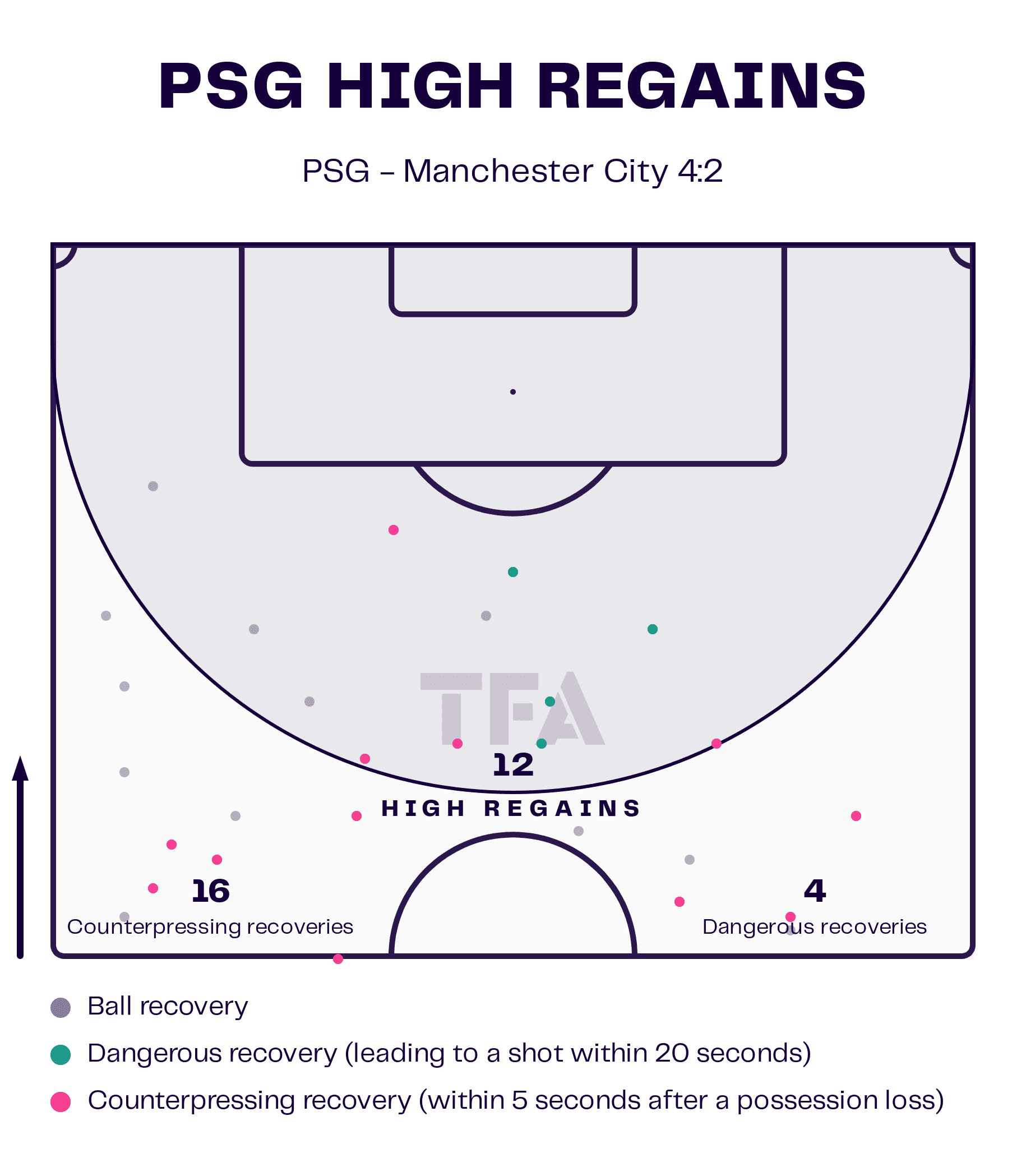
PSG made tactical adjustments in the second half, which caught Manchester City by surprise. They changed their formation and began to press higher up the pitch. They were more proactive, and more aggressive than in the first half, which put City on the defensive. Manchester City, on the other hand, struggled to adapt to these changes, and they were unable to stop the flow of the game. The inability to adjust to the situation was a key factor in their downfall.
Psychological Factors
The psychological aspect of the game was also crucial. After conceding the first goal, Manchester City seemed to lose their confidence, and they were unable to recover. PSG, on the other hand, gained confidence and momentum, and their belief grew. The shift in momentum and the change in the psychological state of the players had a huge impact on the game, and it was a key factor in PSG’s comeback.
Individual Errors
Individual errors played a part in Manchester City’s collapse. Ederson made an uncharacteristic mistake, which resulted in a goal for PSG. These individual errors proved to be very costly and highlighted the need to maintain concentration and composure throughout a match.
The Contrasting Fortunes of Key Players

Key players had contrasting fortunes across the two halves. Kevin De Bruyne, who was instrumental in the first half, struggled to make the same impact in the second. This reflected the shift in momentum and the change in the tactical landscape of the game. The PSG midfielders closely marked him, and this meant that he was unable to find the space that he had enjoyed in the first half.
The Shift in Momentum
The shift in momentum was a crucial factor in the outcome of the match. PSG were able to turn the game around, due to a mixture of tactical changes, and a renewed sense of belief. Once they got in front, they were able to see the game out and take a valuable victory. Manchester City, on the other hand, were unable to regain their composure, and this resulted in their defeat.
The Impact on the Champions League
The defeat had a huge impact on Manchester City’s Champions League campaign. It showed that a team is vulnerable to collapse, regardless of the score, and it was a reminder of the fine margins in elite football. This loss meant that Manchester City would need to work even harder to qualify for the knockout stages of the competition. PSG, on the other hand, had put themselves in a strong position.
A Tale of Two Halves
The match was a perfect example of how the dynamics of a game can change so quickly. Manchester City were in complete control in the first half, only to collapse in the second. And, on the other hand, PSG were a shadow of their real selves in the first half, only to come back and take the game in the second. The game was a fascinating spectacle, and it provided valuable lessons for all those who watched.
Conclusion: The Unpredictability of Football
In conclusion, the Champions League encounter between PSG and Manchester City was a story of two halves, each with its own distinct narrative. The match highlighted the unpredictable nature of football and the importance of maintaining focus and adapting to changing circumstances. It was a lesson in how quickly things can change, and how a game can turn from a position of control to one of defeat. It was an example of the fine margins in elite football, and it showed that no team is ever safe, until the final whistle is blown. The game will be remembered for the two contrasting halves and the dramatic shifts in momentum, and it was a match that provided valuable lessons for all those who were involved.
Visuals via TFA data viz engine