While Manchester City’s fluid passing and intricate attacking movements often steal the headlines, their victory over West Ham underlined the often-overlooked significance of set pieces in their tactical arsenal. City’s aerial dominance, particularly from corners and free-kicks, proved to be a crucial weapon in dismantling West Ham’s defence. This article examines how City exploited set pieces to their advantage, leveraging their height, organization, and delivery to create consistent threats and ultimately secure a convincing win.
Manchester City’s Strengths: A Recipe for Success
Several factors contributed to Manchester City’s effectiveness from set pieces:
- Height Advantage: City’s lineup featured several tall players, including Haaland, Dias, and Ake, who posed a significant aerial threat to West Ham’s defence. This height advantage allowed City to win a majority of the aerial duels, putting West Ham’s goal under constant pressure.
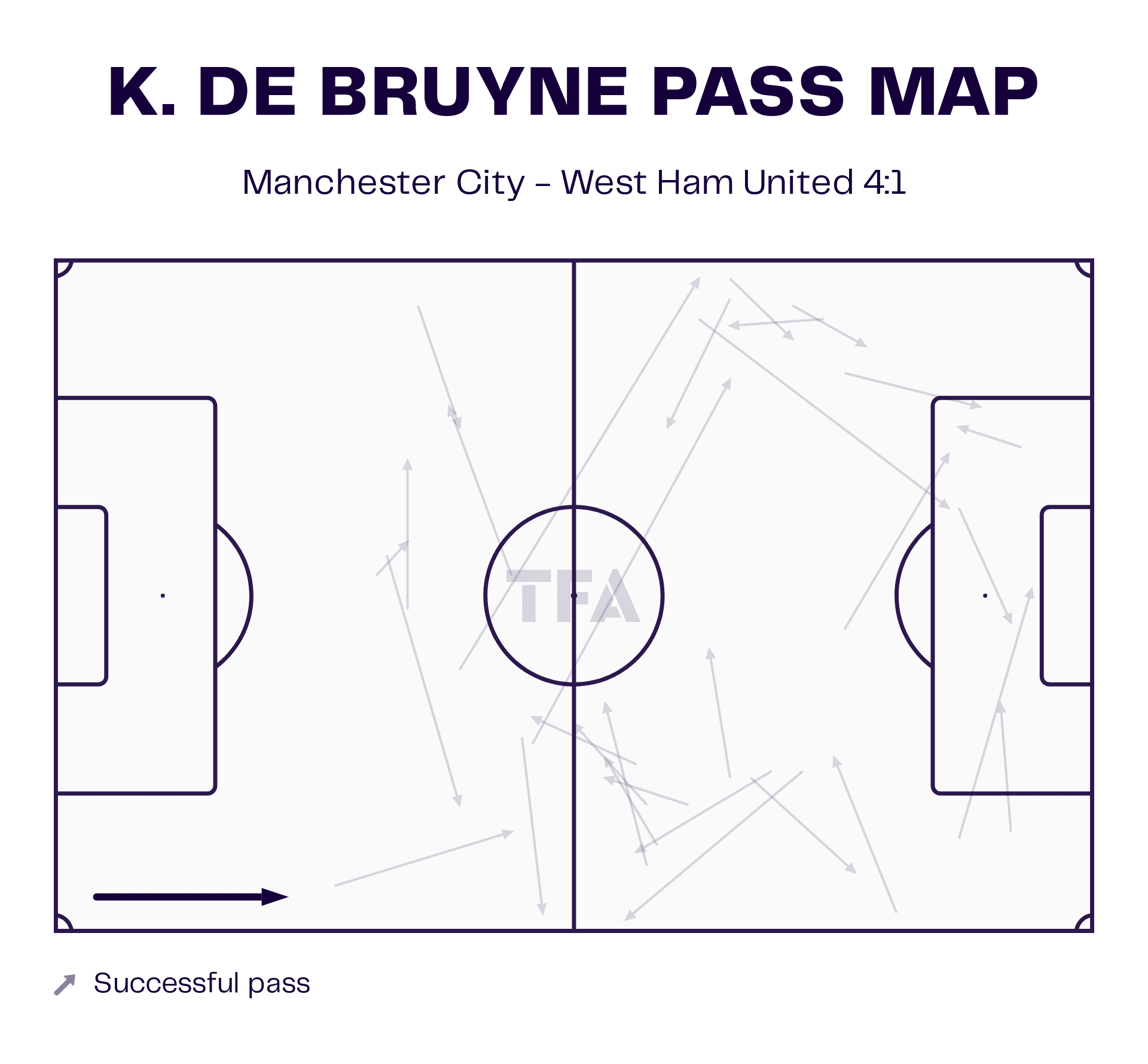
- Delivery Quality: The pinpoint accuracy of Kevin De Bruyne’s deliveries from corners and free-kicks was crucial in creating scoring opportunities. His ability to consistently place the ball in dangerous areas put West Ham’s defence under immense pressure, forcing them into reactive clearances and panicked defending.
- Organized Movement: City’s set-piece routines were characterized by well-coordinated movements and runs, designed to create confusion and open up spaces in West Ham’s penalty area. These movements, often involving decoy runs and blocking manoeuvres, allowed City’s attackers to gain separation from their markers and attack the ball with greater freedom.
Strategic Variations: Adapting to the Situation

Manchester City’s set-piece strategy wasn’t limited to simply launching high balls into the box. They showcased tactical flexibility, varying their routines based on the game situation and West Ham’s defensive setup. At times, they opted for short corners, utilizing quick passing combinations to catch West Ham off guard and create scoring opportunities from unexpected angles.
One such variation involved Rico Lewis, whose dangerous runs and attempts on goal from set pieces added another dimension to City’s attacking threat. Lewis’s willingness to take on shots from the edge of the box forced West Ham’s defence to remain alert and prevented them from solely focusing on defending aerial threats.
The Psychological Impact: Eroding West Ham’s Confidence
Beyond the direct goal threat, City’s set-piece dominance had a significant psychological impact on West Ham. Each set piece presented a moment of potential danger, forcing West Ham’s defence into a constant state of high alert. This pressure and the resulting defensive errors further eroded West Ham’s confidence, contributing to their eventual downfall.
For West Ham, the inability to effectively defend against these set pieces likely contributed to a sense of frustration and ultimately played a role in their second-half decline.
Conclusion: An Underrated Weapon in City’s Arsenal
Manchester City’s victory over West Ham was not solely a result of their free-flowing attacking play. Their set-piece dominance played a crucial role in securing the win. Their aerial prowess, quality deliveries, organized movement, and strategic variations proved too much for West Ham to handle. The psychological impact of City’s set-piece threat further eroded West Ham’s confidence, contributing to their eventual defeat. As Manchester City continues their pursuit of trophies, their mastery of set pieces will undoubtedly remain a potent weapon in their tactical arsenal.
Visuals via TFA data viz engine